
Imagine dropping your child off at a school so beautiful you are immediately inspired to start creating…
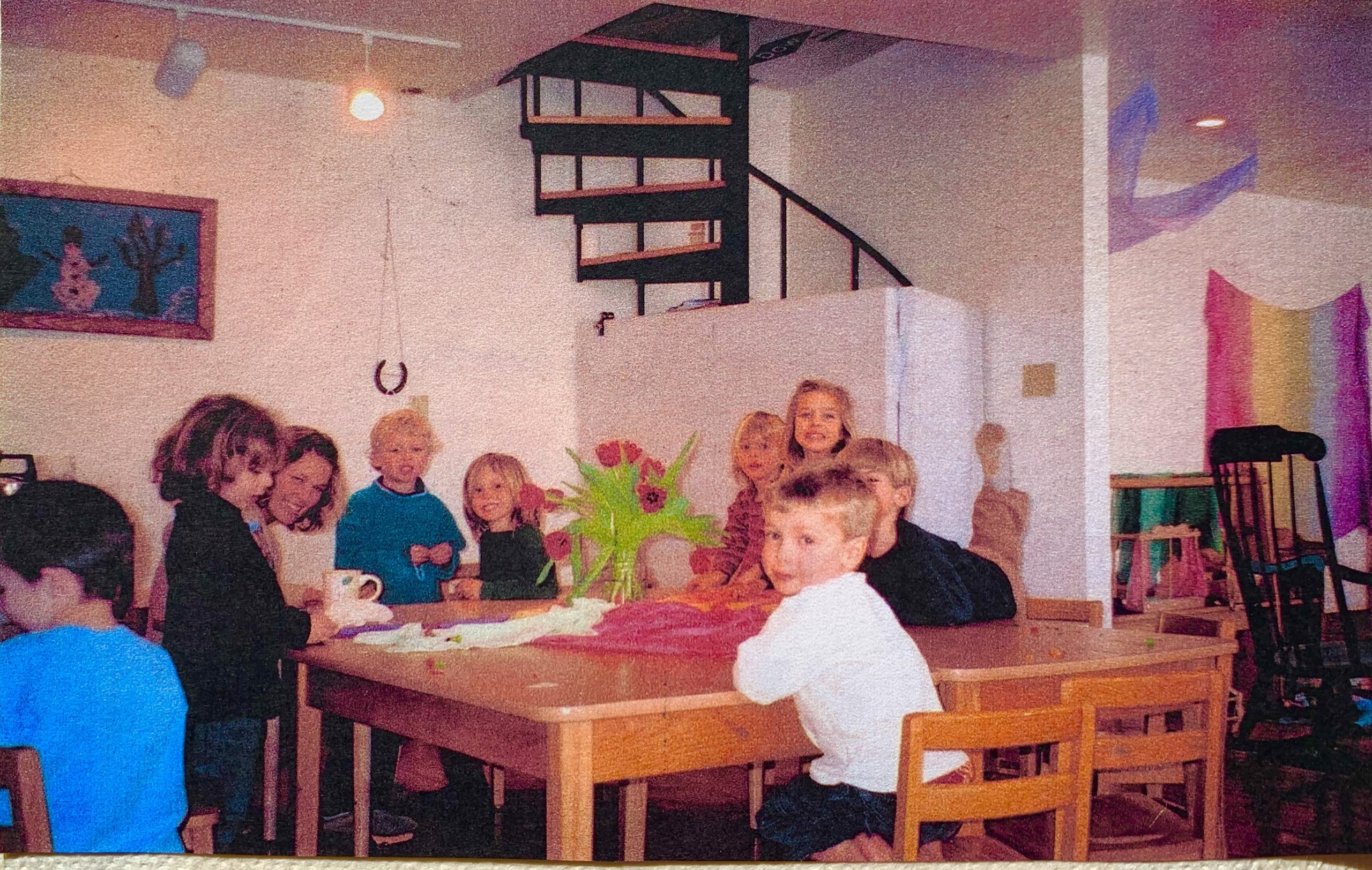
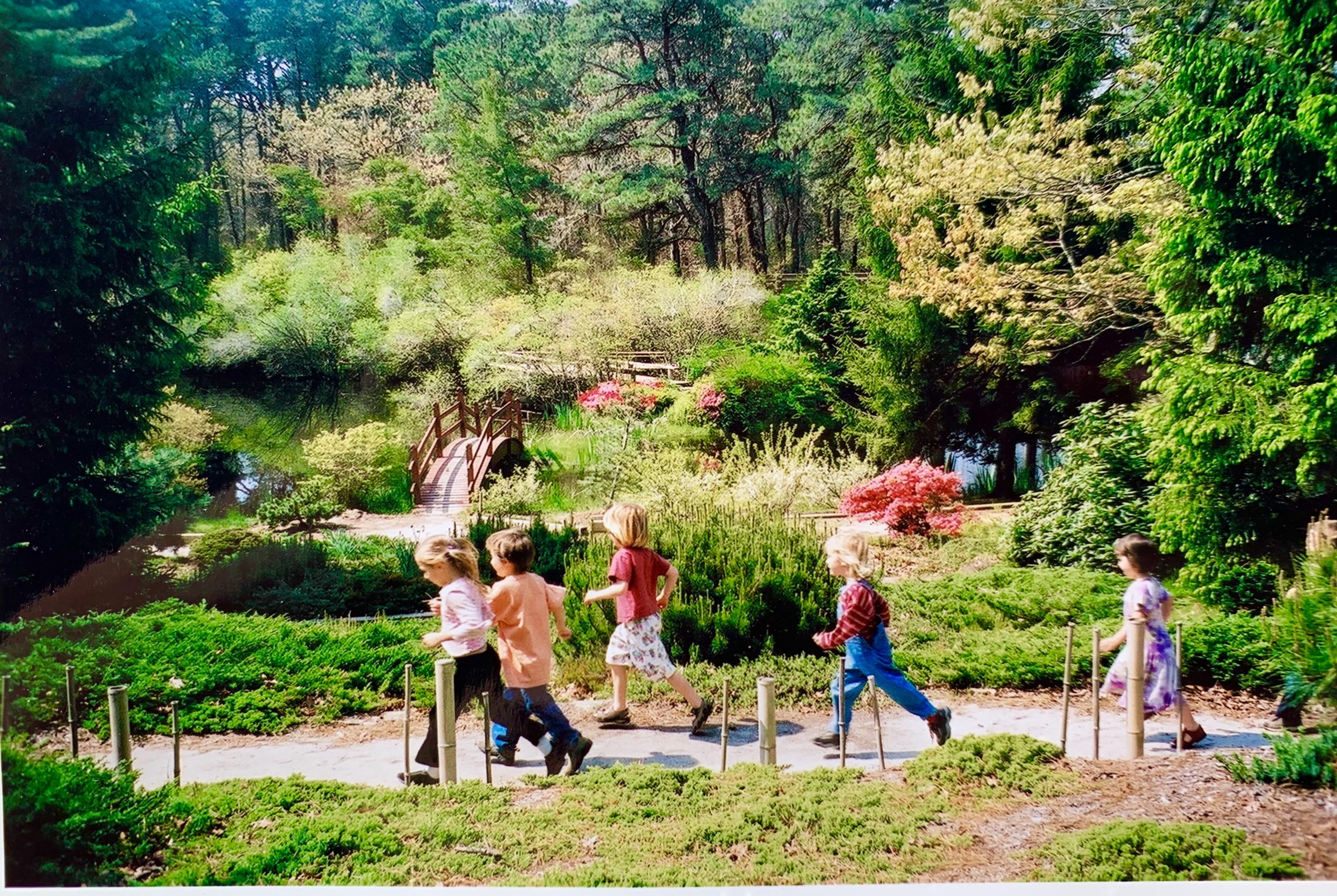
Imagine walking into a classroom to teach with stunning natural light illuminating the desks, curving walls that invite the children to explore their curiosity, waterfalls in the courtyard, flowers tumbling over rocks, the smell of bread baking in the oven, hand-carved wooden chairs awaiting snack time….
For decades, educators have talked about “Environment as Third Teacher” and the importance of creating a beautiful space to optimize learning, but recent neuroscience research supports the importance of building design in optimizing learning, a fantastic new field in education called “Neuroarchitecture”…
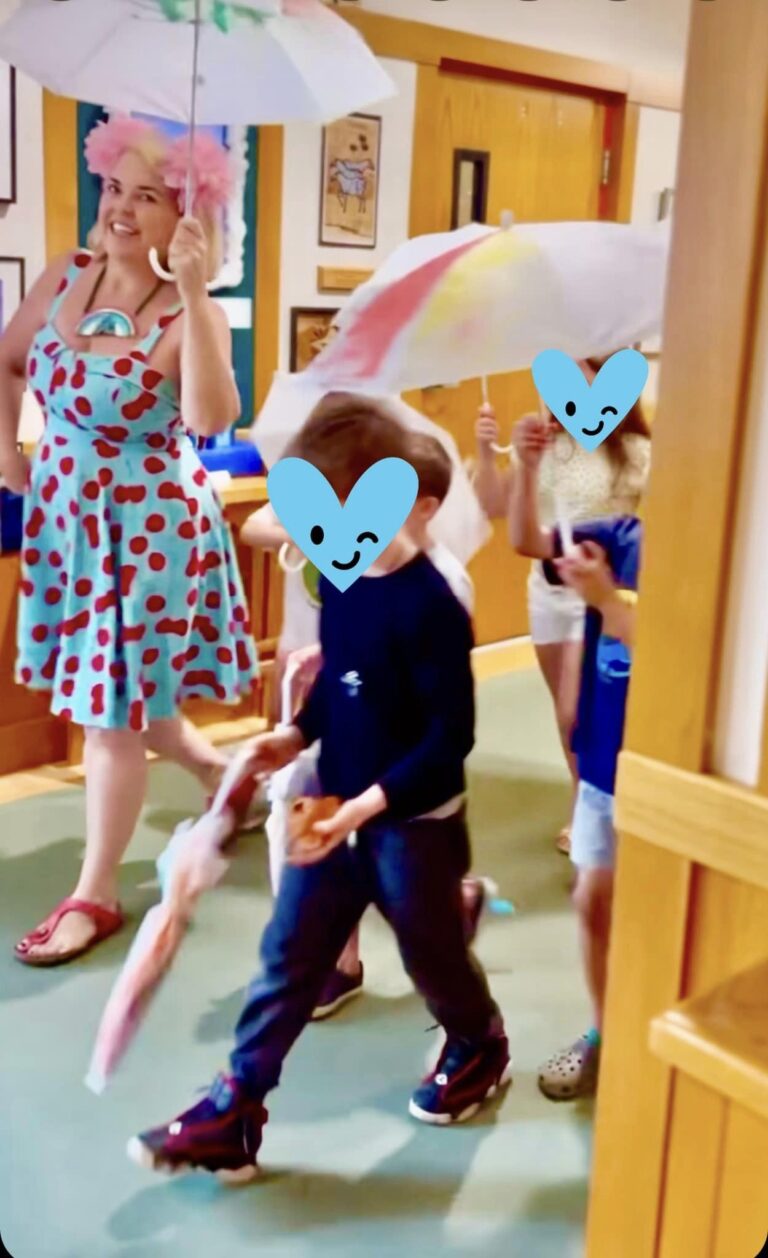
I’m currently teaching my students at Endicott one of my favorite topics: “Inspired Classrooms.” I’ve assigned my students to create their “Dream Classroom” using everything we’ve learned so far and present it to the class in a detailed slide show. We have been studying curriculum design and how to integrate the arts into teaching across all academic domains. In other words, we’ve been learning how to teach Geometry using Mondrian’s paintings, or fractions using Andy Warhol’s Campbell Soup cans, or revolution vs. rotation of the planets using movement and dance. These are all topics that set my heart aflutter, as difficult, often boring subjects become revitalized and unforgettable when paired with art.
Best of all, integrating arts into teaching inspires curiosity in the students so they are compelled to research more on their own, which is always my goal when teaching.
So recently, while researching the latest ideas on classroom design, I came across Neuroarchitecture: the study of architecture and design on our brains. This can completely transform classrooms and learning environments for students of all ages.
For decades, educators have talked about the importance of “Environment as a Third Teacher.” The top methodologies, Montessori, Waldorf, and Reggio Emilia, all talk about the importance of classroom design on the learning of children. Each philosophy have very specific ideas on lighting, materials, even furniture choice and what goes on the walls. They created their philosophies after observing how children learn best over many years.
Meanwhile, advances in neuroscience have been releasing research on how to make workplaces more effective, so adults can actually enjoy work and be more productive: a win-win for everyone. And now the neuroscience is turning to education (FINALLY!), providing concrete data on the exact philosophies educators have been talking about. Thoughtful architecture, materials, and environment of the classroom encompasses all the senses, and in my experience, students always learn better in a multisensory environment.
Here are a few ideas:
Sight: students learn best in natural light as opposed to fluorescent lighting. They also thrive best with lighter colored walls, child-sized furniture, and spatial organization so that materials stay as organized as possible. Many educators have found that behavioral issues can often be solved through a well-planned well-organized room.
Touch: Students thrive with multiple textures. For young children, this means multiple textures around the room chosen for interaction in furniture, materials, rugs, etc. Even in my college class, I find my students light up when I bring out materials for them to manipulate while I talk: Model Magic, Clay, etc.
Smell: This one is not always easy to integrate, but in my own teaching, I find that essential oils are always a big hit with students. Whether I diffuse them in the room or bring in a wooden box filled with different ones, students love to explore scents and choose the one that resonated the most with them that day. Fresh plants are also a good choice.
Sounds: Of course there’s music: recorded or live. Students love making their own music, so having areas or times of the day where they can pick up instruments and make some sounds is often a big draw to students. Many educators choose instruments in the pentatonic scale because all the notes sound good together, so the kids learn to love making music. Rhythm sticks, rhymes and songs, classical music while the kids are painting or entering for the day sets a tone. One of my favorite activities I do even with adults is a writing assignment set to music, to see how the writing changes according to the music.
In conclusion, I am thrilled to be able to share this article I found on Neuroarchitecture, and I hope educators dive deeper and are as delighted by the latest research as I am.







Remarkable piece of work, Marci. Thanks for your inspiration! Sandra Duncan, EdD